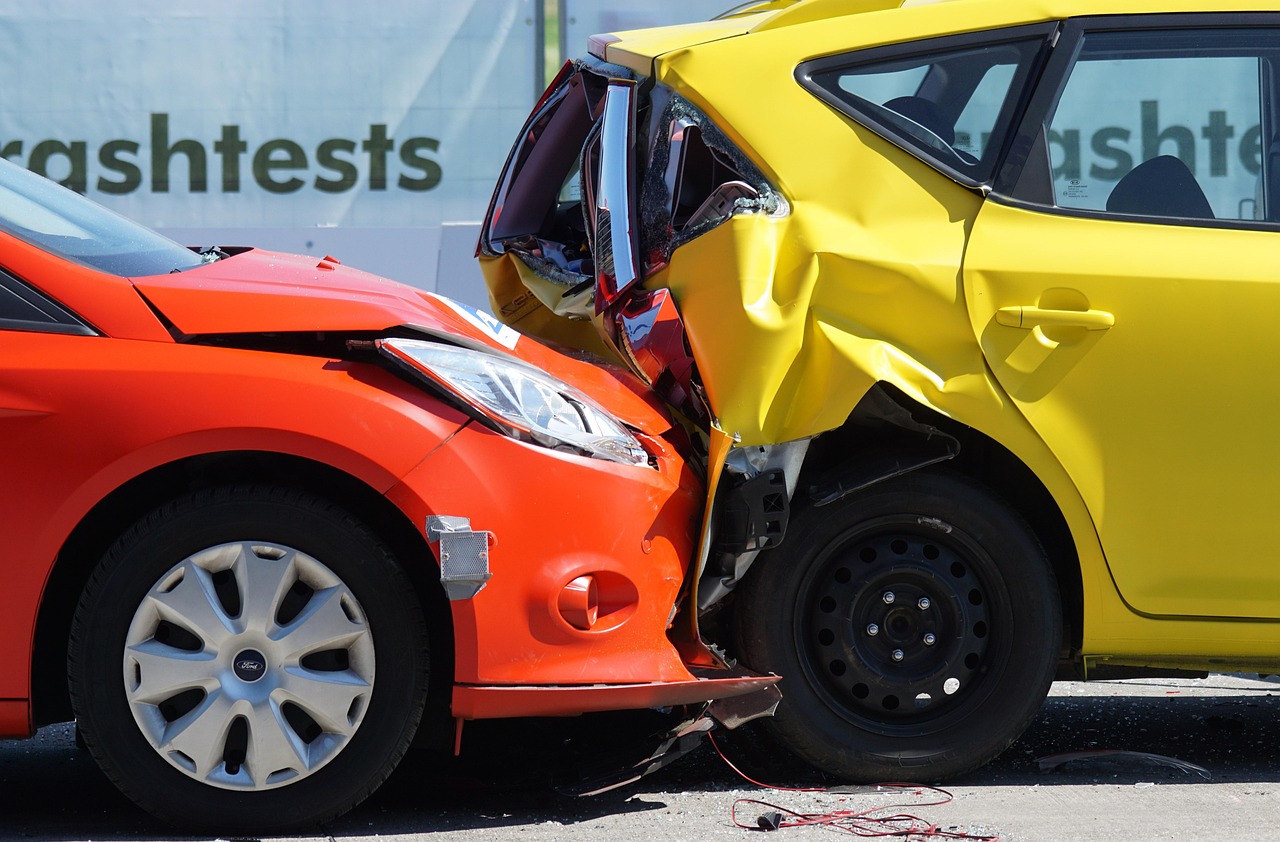
Finding out the driver who just crashed into your car has no insurance is a sinking feeling. With approximately 65% of vehicles on South African roads uninsured, it’s a situation thousands of people face every year. The good news is that not having insurance doesn’t mean the guilty driver escapes responsibility — it just means the process of recovering your money is different. Here’s how to approach it.
First, Understand the Difference Between Vehicle Damage and Personal Injury Claims
This is important. There are two separate types of claims that can arise from a car accident in South Africa:
- Personal injury claims — for bodily injuries sustained in the accident. These are handled through the Road Accident Fund (RAF), which covers all road users regardless of whether the at-fault driver is insured or not.
- Vehicle damage claims — for the cost of repairing or replacing your car. The RAF does not cover vehicle damage. If the at-fault driver is uninsured, you must pursue them directly as an individual.
This article focuses on vehicle damage — recovering your repair costs from an uninsured driver who caused the accident.
Your Legal Right to Claim
Under South African common law, any person who suffers loss due to another person’s negligence has the right to claim compensation from that person directly. The fact that the guilty driver has no insurance does not remove their personal liability. It simply means there is no insurer to step in and pay on their behalf — the obligation to pay falls on them personally.
This is your legal foundation for pursuing an uninsured driver.
Step 1: Gather Your Evidence
A successful claim against an uninsured driver depends on being able to prove two things: that the accident was their fault, and the value of the damage you suffered. Make sure you have:
- A police case number (report the accident at your nearest police station within 24 hours if you haven’t already)
- Photographs of both vehicles, the scene, and all damage
- The other driver’s full name, ID number, address, and contact number
- Their vehicle registration number
- Contact details of any witnesses
- A repair quote or invoice from a reputable panel beater
Step 2: Attempt Direct Contact and Negotiation
Your first step is to contact the uninsured driver and present them with the repair quote, making clear that you hold them liable. Some people, once confronted with documented evidence and a clear figure, will agree to pay — either in full or via a payment arrangement.
Get any agreement in writing. A verbal agreement to pay is very difficult to enforce. A written acknowledgment of liability and a payment plan signed by both parties gives you something concrete to act on if they later default.
Step 3: Send a Formal Letter of Demand
If the driver refuses to engage or disputes liability, the next step is a formal letter of demand. This sets out the amount you are claiming, the basis of your claim, and a deadline for payment — typically 14 days. It signals that you are prepared to take further action and establishes an important paper trail.
A letter of demand sent by a professional debt collection or claim recovery service is treated with far more seriousness than one sent by an individual. It signals that someone with expertise and legal knowledge is pursuing the matter.
Step 4: Take the Matter to Small Claims Court
If the driver ignores your letter of demand and the amount you are owed is R20,000 or less, the Small Claims Court is your most accessible formal option. It is designed for individuals, requires no lawyer, and is relatively quick and inexpensive. You present your evidence and the court makes a binding ruling.
For amounts above R20,000, you will need to approach the Magistrate’s Court. This process is more involved and generally benefits from professional assistance.
Step 5: Enforce the Judgement
Winning a court judgement is one thing — collecting on it is another. If the uninsured driver has limited assets or income, enforcement can be challenging. A court judgement does allow you to pursue garnishee orders against their salary or attach movable assets, but this requires further legal process. Having a professional assist with enforcement significantly increases the likelihood of actually receiving payment.
What If the Uninsured Driver Simply Disappears?
If the driver gave you false contact details, or has since become untraceable, your options narrow considerably. This is why collecting thorough details at the scene — ID number, vehicle registration, and ideally a photo of their licence — is so important. With a valid ID number or registration, it is often possible to trace an individual. Without it, recovery becomes very difficult.
Don’t Write Off Your Claim
Many people assume that because the other driver is uninsured, there’s nothing they can do. That’s not true — but it does mean you need to be persistent and, ideally, have someone experienced in your corner. At MyLawSA, we specialise in recovering vehicle damage costs from uninsured and non-paying drivers on behalf of our clients. We handle all contact, negotiation, and collection on your behalf — and we only charge our fee when we successfully collect your money.
Contact MyLawSA today — no upfront cost, no obligation, just answers.
Useful contacts:
Road Accident Fund (personal injury claims only): www.raf.co.za | 087 820 1 111
Ombudsman for Short-Term Insurance: www.osti.co.za
This article is for informational purposes only and does not constitute legal advice. Always consult a qualified professional for advice specific to your situation.