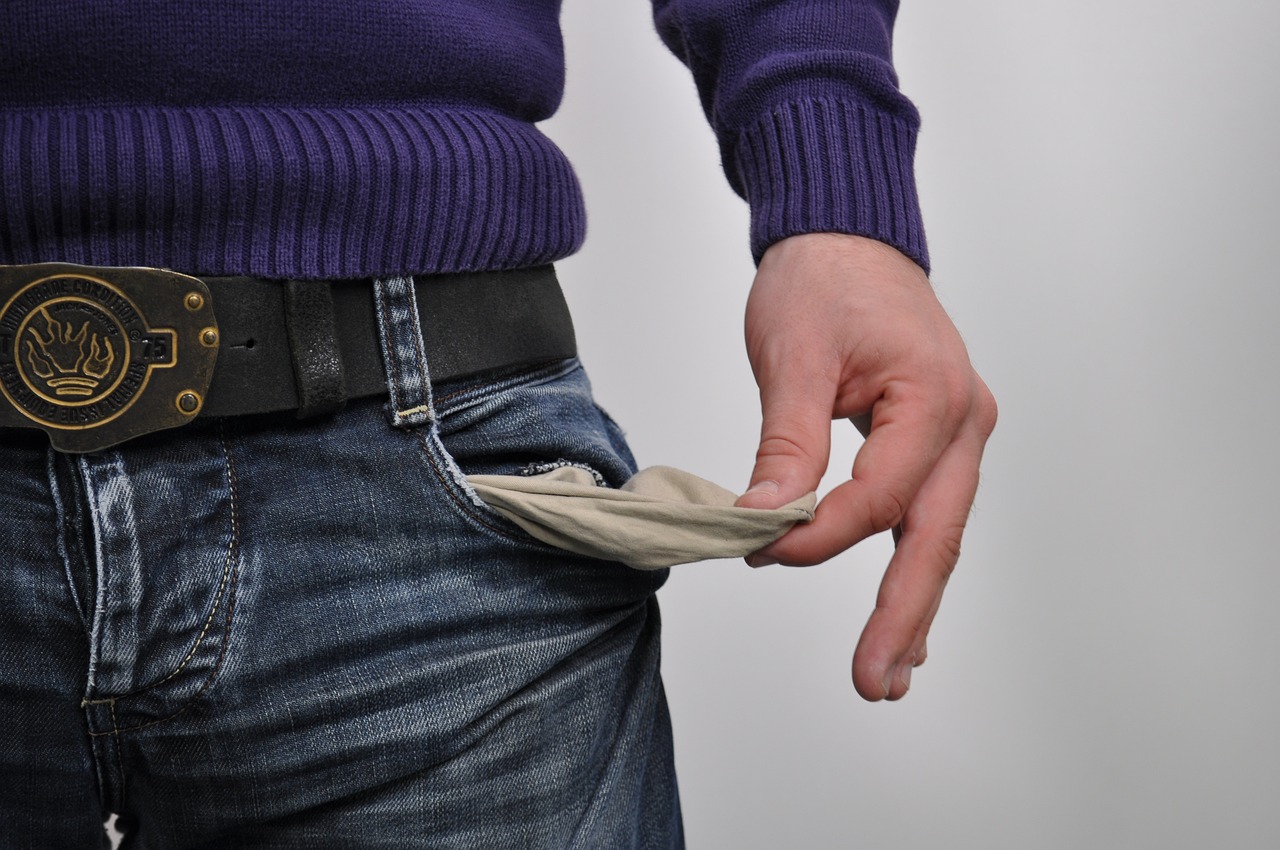
You did everything right. You stopped at the scene, exchanged details, took photos, and got a police case number. The accident was clearly the other driver’s fault. But now they’re refusing to pay for your repairs — or they’ve simply gone quiet. If you paid for the damage yourself, you are legally entitled to recover that money. Here’s what to do.
Step 1: Make Sure You Have the Right Documentation
Before you can effectively pursue anyone for payment, you need to have your paperwork in order. The stronger your evidence, the stronger your claim. Make sure you have:
- The police case number from reporting the accident
- Photographs of both vehicles and the accident scene
- The other driver’s full name, ID number, contact details, and vehicle registration
- Their insurance details, if they have cover
- A repair quote or invoice from a reputable panel beater
- Any witness contact details
If you don’t have a police report yet, get one. Contact your nearest police station and report the accident — even if it happened some time ago. The report is essential for any formal claim process.
Step 2: Determine Whether the Other Driver Is Insured
This changes your approach significantly. Around 65% of vehicles on South African roads are uninsured, so there’s a real chance the other driver has no cover at all. Ask them directly if you haven’t already, and verify their details.
If they are insured: You have the right to submit a claim directly against their insurer for the damage to your vehicle. Contact the insurer, provide your documentation, and submit your claim formally. Be prepared for the insurer to assess liability independently — they may dispute the percentage of fault or offer a reduced settlement.
If they are uninsured: You cannot claim through an insurer, but you can still pursue the driver personally. This means contacting them to make a payment arrangement, sending a formal letter of demand, or taking the matter to court.
Step 3: Send a Formal Letter of Demand
Whether the other driver is insured or not, if they are refusing to engage or pay, a formal letter of demand is your next step. This letter sets out the amount owed, how you calculated it, why they are liable, and a clear deadline for payment — typically 14 days.
A letter of demand is not just a formality. It creates a paper trail, demonstrates you are serious, and is generally required before you can take the matter to court. A letter sent by a professional service or with professional backing is taken far more seriously than one sent by an individual.
Step 4: Consider the Small Claims Court
If the amount you are owed is R20,000 or less and the other party refuses to pay after receiving a letter of demand, the Small Claims Court is a practical and affordable option. You do not need a lawyer to use it. You will need to present your evidence clearly — the police report, photos, repair invoice, and any correspondence with the other party.
For claims above R20,000, you would need to approach the Magistrate’s Court, which is a more formal process. In these cases, getting professional assistance with your claim becomes even more valuable.
Step 5: Use a Professional Claim Recovery Service
If navigating insurers, letters of demand, and court processes sounds overwhelming — especially while you’re already dealing with the disruption of not having a properly repaired vehicle — a professional claim recovery service can take all of this off your hands.
A reputable service will assess your claim, contact the guilty party or their insurer on your behalf, negotiate a settlement, and follow through on collections. They know how insurers operate, what pressure points exist, and how to get results that individuals rarely achieve on their own.
If the service operates on a No Success, No Fee basis, there is genuinely nothing to lose by using them.
What About the Ombudsman for Short-Term Insurance?
If you’ve submitted a claim to the other driver’s insurer and they are disputing it unfairly or not responding, you can lodge a complaint with the Ombudsman for Short-Term Insurance (OSTI). This is a free service that mediates disputes between consumers and insurers. However, it’s important to note that as an uninsured third party, your access to the Ombudsman is limited — in some cases, you may only be able to use this route if the insurer’s own client (the guilty driver) has an active complaint open.
Act Before Your Claim Expires
Civil claims for damages in South Africa generally prescribe (expire) after three years from the date of the incident. Don’t assume you have plenty of time — the sooner you act, the fresher the evidence and the easier it is to collect. Guilty parties and their insurers will also take a claim far more seriously when it’s being actively pursued.
You Don’t Have to Handle This Alone
At MyLawSA, we help uninsured drivers recover money from the guilty party after an accident — whether that means negotiating with their insurer, contacting them directly, or arranging a payment plan on your behalf. We work on a No Success, No Fee basis. If we don’t collect, you don’t pay.
Contact MyLawSA today — tell us what happened and we’ll assess your claim for free.
This article is for informational purposes only and does not constitute legal advice. Always consult a qualified professional for advice specific to your situation.