Being involved in a car accident is stressful and disorienting. In South Africa, knowing exactly what to do in the moments and hours after a crash can protect your safety, your legal rights, and your insurance claim. Whether it’s a minor fender-bender or a serious collision, follow these steps.
1. Stop Your Vehicle and Stay Calm
South African law requires all drivers involved in an accident to stop immediately. Leaving the scene of an accident — even a minor one — is a criminal offence under the National Road Traffic Act 93 of 1996. Switch on your hazard lights, take a deep breath, and assess the situation before getting out of the vehicle.
2. Check for Injuries and Call for Help
Your first priority is the safety of everyone involved. Check yourself and your passengers for injuries, then check on the other party. If anyone is injured, call 10111 (South African Police Service) or 112 (emergency services, works on all networks including with no airtime). For serious accidents, also contact ER24 on 084 124 or Netcare 911 on 082 911.
Do not move injured people unless they are in immediate danger, as you could worsen a spinal or neck injury.
3. Move to a Safe Location (If Possible)
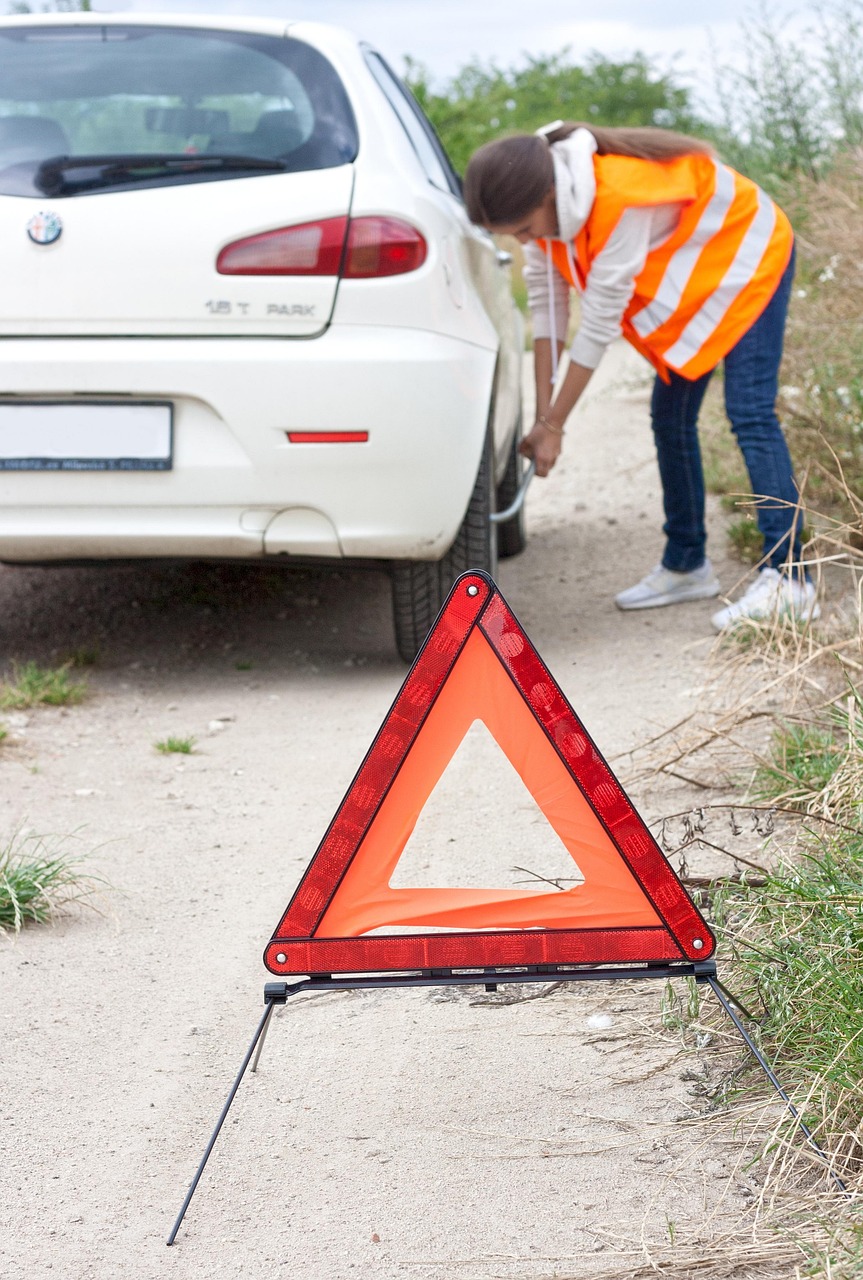
If the vehicles are driveable and the accident is minor, move them to the side of the road to avoid blocking traffic and to reduce the risk of a secondary collision. Place warning triangles at least 45 metres behind your vehicle if you have them — this is a legal requirement in South Africa.
4. Do Not Admit Fault
This is critical. Even if you think you may be at fault, do not admit liability at the scene. Statements made in the heat of the moment can be used against you later. Simply exchange information and let the authorities and insurers determine responsibility.
5. Exchange Information with the Other Driver
You are legally required to exchange the following details with all other parties involved:
- Full name and contact number
- ID number
- Driver’s licence number
- Vehicle registration number
- Insurance details (insurer name and policy number)
If the other driver refuses to share their information, note their licence plate number and report it to the police.
6. Report the Accident to the Police
Under Section 61 of the National Road Traffic Act, you are required to report any accident involving injury, death, or damage to property to the nearest police station within 24 hours. You will receive a case number — keep this safe, as you will need it for your insurance claim.
Even for minor accidents with no injuries, a police report provides crucial documentation should disputes arise later.
7. Document the Scene
Use your smartphone to gather as much evidence as possible while everything is still fresh:
- Photograph all vehicles from multiple angles, including close-ups of the damage
- Photograph the accident scene, road conditions, traffic signs, and skid marks
- Take a photo of the other driver’s licence and vehicle registration disc
- Note the time, date, weather conditions, and exact location
- Collect contact details from any witnesses
This evidence can be invaluable when resolving disputes with insurers or in legal proceedings.
8. Notify Your Insurance Company
Contact your insurer as soon as possible — most policies require you to report an accident promptly, and delays can jeopardise your claim. Have your policy number, the police case number, and the other driver’s details ready when you call.
If you do not have comprehensive car insurance, you may still be entitled to compensation for injuries through the Road Accident Fund (RAF). The RAF compensates victims of motor vehicle accidents for loss of income, medical expenses, and general damages caused by the negligence of another driver. Note that claims must be submitted within three years of the accident date.
9. Seek Medical Attention
Even if you feel fine after a crash, see a doctor as soon as possible. Some injuries — such as whiplash, soft tissue damage, or concussion — may not be immediately apparent. A medical record documenting your injuries shortly after the accident is important for both your health and any potential RAF or insurance claim.
10. Keep Records of Everything
From the moment of the accident, keep a file with all related documentation. This should include the police report, photos, medical records, repair quotes, correspondence with your insurer, and any receipts for out-of-pocket expenses. Organised records make the claims process significantly smoother.
Useful Emergency Numbers to Save
- SAPS Emergency: 10111
- General Emergency (all networks): 112
- ER24: 084 124
- Netcare 911: 082 911
- Road Accident Fund: 0800 23 5523 (toll-free)
Final Thoughts
Car accidents are never planned, but being prepared can make a significant difference. By staying calm, following the correct legal steps, and documenting everything thoroughly, you give yourself the best chance of a smooth recovery — both physically and financially.
If you’ve been in an accident and are unsure of your rights or next steps, consider consulting a legal professional who specialises in road accident claims. The Department of Justice and Constitutional Development can help direct you to legal aid services if needed.
This article is for informational purposes only and does not constitute legal advice. Always consult a qualified professional for advice specific to your situation.